
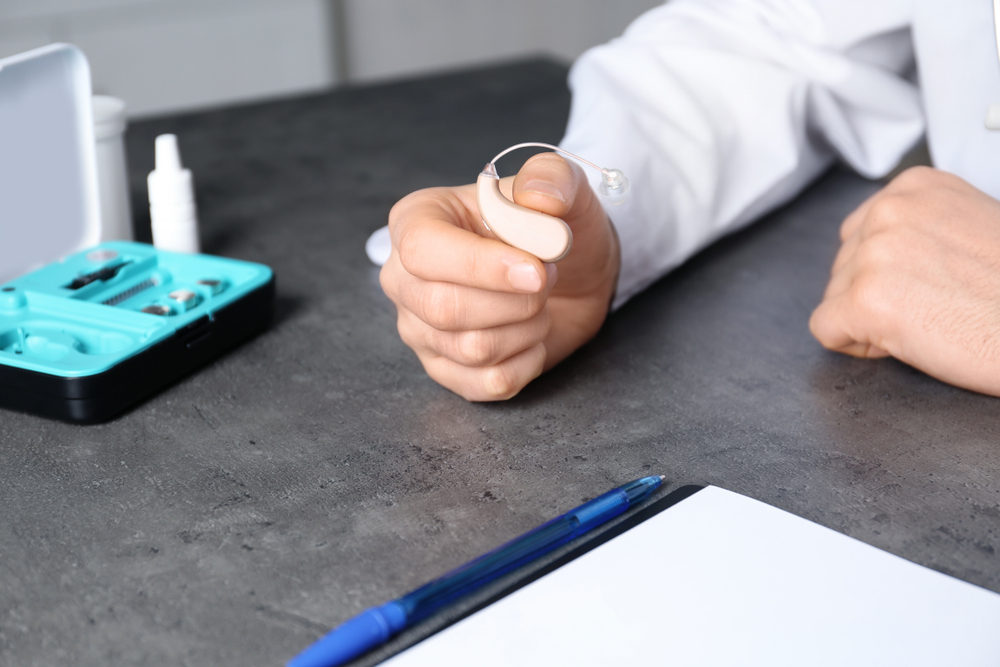
Hearing aids are designed for daily use, which means even well-maintained devices can eventually develop problems. For people in Vancouver, WA, something as simple as persistent moisture, earwax buildup, a weak battery, or a damaged component can interfere with how clearly a hearing aid performs.
The challenge is knowing whether the problem calls for basic troubleshooting or professional attention.
Quick answer: Your hearing aids may need repair or professional service if they repeatedly cut out, sound distorted, whistle unexpectedly, produce weak or no sound, drain batteries unusually fast, or show visible physical damage. Cleaning the device, checking the battery or charger, and inspecting replaceable filters may solve minor issues. If the problem continues, professional evaluation can help identify whether cleaning, adjustment, repair, or replacement is appropriate.
What local hearing aid users should know
-
Weak or inconsistent sound does not automatically mean a hearing aid has failed because wax, debris, batteries, or charging issues can sometimes cause similar symptoms.
-
Vancouver’s wet Pacific Northwest climate makes keeping hearing aids dry an important part of routine device care.
-
Residents who spend time outdoors near the Columbia River, Vancouver Waterfront, or throughout Clark County should protect their devices from rain and excess moisture.
-
Persistent feedback, distortion, or intermittent performance deserves attention rather than repeated temporary troubleshooting.
-
Professional service can help determine whether the problem comes from the hearing aid itself, its fit, or another factor affecting performance.
Why Do Hearing Aid Problems Matter in Vancouver, WA?
Hearing aid problems matter in Vancouver because reliable devices support everyday communication at home, at work, and while staying active throughout Clark County. A hearing aid that works only intermittently can make conversations and daily activities more difficult, particularly when the problem gradually becomes more noticeable.
The regional environment also deserves consideration. Vancouver and the surrounding Southwest Washington area experience long periods of damp and rainy weather. Hearing aids are small electronic devices worn close to the body, so moisture management and regular cleaning are sensible parts of local device care.
For residents traveling between Downtown Vancouver, Hazel Dell, Salmon Creek, Cascade Park, and nearby Camas or Washougal, dependable hearing aids can be especially valuable during busy daily routines.
Vancouver Hearing Aid Center helps local hearing aid users identify device problems and determine an appropriate next step. From this point forward, we will use we, our, and us when discussing professional hearing aid service.
What Do We Commonly See With Hearing Aids in Southwest Washington?
Common hearing aid concerns include reduced sound, intermittent operation, feedback, charging difficulties, moisture exposure, and buildup around openings or replaceable components. These are professional field observations rather than published statistics, and the exact cause of a problem cannot be determined from the symptom alone.
Daily wear exposes hearing aids to skin oils, earwax, moisture, dust, and repeated handling. Over time, those factors can affect microphones, receivers, battery contacts, charging surfaces, tubing, domes, filters, or other components depending on the type of device.
That is why troubleshooting should be systematic. A hearing aid that suddenly sounds weak may need cleaning, while another device with the same symptom may require professional repair.
How Can Hearing Aid Problems Affect Daily Life?
A malfunctioning hearing aid can reduce clarity, consistency, and confidence during everyday communication. For Vancouver residents, that may become noticeable during conversations with family, meetings at work, errands around town, or social activities throughout Clark County.
Intermittent problems can be particularly frustrating because the hearing aid may appear normal during one part of the day and stop performing properly later.
Delaying service can also make it harder to determine whether the problem is a simple maintenance issue or a component that needs repair. Having persistent problems evaluated gives you a clearer picture of the device’s condition and available options.
What Are the Warning Signs Your Hearing Aids May Need Repair?
The strongest warning signs are persistent changes in sound, reliability, power, charging, or the physical condition of your hearing aids. One isolated issue may have a simple explanation, but repeated problems after basic troubleshooting are a good reason to consider professional service.
Watch for these signs:
-
No sound: The hearing aid appears powered on but produces no usable sound.
-
Weak or muffled sound: Speech and environmental sounds seem noticeably softer or less clear than usual.
-
Intermittent operation: The hearing aid cuts in and out without an obvious reason.
-
Persistent whistling or feedback: Feedback continues despite reinserting the device correctly and checking for obvious blockage.
-
Distorted or unusual sound: Audio becomes crackly, fuzzy, static-filled, or otherwise different from normal.
-
Battery or charging problems: Batteries seem to lose power unusually quickly, or rechargeable devices repeatedly fail to charge as expected.
-
Visible damage: Cracks, damaged tubing, loose pieces, broken battery doors, or other physical problems are present.
-
Repeated troubleshooting: Cleaning, changing batteries, or checking common replaceable components provides only temporary or no improvement.
When Should You Call a Hearing Aid Professional?
You should seek professional service when a hearing aid problem persists after safe, basic troubleshooting or when the device is physically damaged. Vancouver hearing aid users can generally check simple maintenance items at home, but opening or attempting to repair internal electronic components should be left to trained professionals.
Safe troubleshooting may include checking whether the device is turned on, replacing or charging the battery, wiping the exterior according to the manufacturer’s instructions, and checking accessible wax guards, domes, or tubing when applicable.
Stop troubleshooting if the device is cracked, has been significantly exposed to water, will not power on, repeatedly produces distorted sound, or requires internal disassembly.
A professional evaluation can help separate a maintenance problem from a repair issue and determine the most practical next step.
What Commonly Causes Hearing Aid Problems in Vancouver?
Common causes of hearing aid trouble include earwax and debris, moisture, battery or charging problems, worn external parts, and internal component issues. In Vancouver, moisture deserves particular attention because wet conditions are a routine part of life in Southwest Washington.
1. Earwax and debris
Wax or debris can obstruct sound openings and affect performance. Regular cleaning according to the device manufacturer’s guidance can reduce buildup.
2. Moisture
Rain, perspiration, and everyday humidity can expose hearing aids to moisture. Residents around the Columbia River and throughout Clark County should avoid leaving devices in damp locations and follow appropriate drying instructions for their particular hearing aids.
3. Battery and charging issues
Disposable batteries, rechargeable batteries, charging contacts, or chargers can sometimes be responsible for apparent device failure. Checking the power source is a useful first troubleshooting step.
4. Worn external components
Domes, tubing, wax guards, and other replaceable parts can wear or become blocked depending on the hearing aid style.
5. Internal problems
Microphones, receivers, circuitry, or other internal components may eventually require professional evaluation or repair.
How Can You Help Prevent Hearing Aid Problems?
You can reduce avoidable hearing aid problems by keeping devices clean and dry, handling them carefully, and addressing small performance changes early. For people living in the Vancouver area, a consistent moisture-management routine can be particularly useful during rainy months.
Clean your devices only with products and methods appropriate for your hearing aid model. Check accessible filters or guards regularly, keep charging equipment clean and dry, and store devices safely when they are not being worn.
Avoid exposing hearing aids to showers, swimming, hair products, or unnecessary moisture unless the manufacturer specifically states that your model is designed for that exposure.
DIY maintenance should stop at accessible user-serviceable parts. Internal electronics and structural repairs require appropriate tools and expertise.
What Can You Expect From Professional Hearing Aid Service?
Professional hearing aid service should help identify why the device is malfunctioning and whether cleaning, adjustment, repair, or another solution makes sense. The exact outcome depends on the hearing aid, its condition, the nature of the problem, and whether replacement components or manufacturer service are required.
Some issues can be addressed through cleaning or replacement of appropriate external components. Other problems may require more extensive repair.
If a device is older or has significant damage, it may also be useful to compare repair with replacement rather than repeatedly investing in temporary fixes.
What Mistakes Should Vancouver Hearing Aid Users Avoid?
The biggest mistakes are forcing damaged parts, exposing devices to inappropriate cleaning methods, ignoring recurring symptoms, and attempting internal repairs at home. A careful approach can prevent a minor maintenance issue from becoming a larger device problem.
Mistake: Using water or unsuitable cleaners.
Consequence: Liquid can reach sensitive components.
Better approach: Follow cleaning instructions designed for your specific hearing aid.
Mistake: Assuming every weak-sound problem requires repair.
Consequence: You may overlook a blocked filter, depleted battery, or another basic issue.
Better approach: Complete safe troubleshooting first.
Mistake: Repeatedly ignoring intermittent sound.
Consequence: You continue relying on a device that is not performing consistently.
Better approach: Have recurring problems evaluated.
Mistake: Opening the hearing aid housing.
Consequence: Internal components may be damaged further.
Better approach: Leave internal repair to a professional.
What Is a Common Local Hearing Aid Repair Scenario?
A common local scenario is a Vancouver resident noticing that one hearing aid sounds weaker or cuts out even though the device still powers on. This is an illustrative scenario, not a specific customer case study.
The user might first check the battery or charger, inspect accessible components for blockage, and carefully clean the exterior. If normal performance does not return, the next sensible step is professional evaluation.
The problem could involve routine maintenance, moisture, a worn component, or an internal issue. An evaluation helps narrow down the cause rather than relying on repeated guesswork.
What Professional Services Can Help With Hearing Aid Problems?
Professional hearing aid services can help diagnose persistent performance issues and determine whether maintenance, adjustment, repair, or replacement is appropriate. We can evaluate the condition of the device and help you understand the practical options based on what we find.
Professional service is particularly useful for unexplained intermittent sound, ongoing feedback, charging problems, physical damage, or performance that remains poor after routine cleaning.
Should You Troubleshoot, Repair, or Replace Your Hearing Aids?
The right choice depends on whether the problem is minor and user-serviceable, requires professional repair, or reflects a device that is no longer practical to repair. Starting with the least invasive appropriate option helps avoid unnecessary work.
| Option | Best For | Main Consideration |
|---|---|---|
| Basic troubleshooting | Batteries, charging checks, accessible wax guards, and routine cleaning | Follow instructions for your specific device |
| Professional service | Persistent feedback, weak sound, intermittent operation, or unexplained problems | Allows the device to be evaluated more thoroughly |
| Repair | Damage or component failure that can reasonably be corrected | Repair feasibility varies by device and problem |
| Replacement | Devices where repair is unavailable or no longer practical | Compare long-term needs with the repair option |
When the cause is uncertain, professional evaluation can help you make that decision with better information.
Where Can Local Hearing Aid Users Get Service?
Vancouver Hearing Aid Center serves hearing aid users in Vancouver, WA, and can be a local resource for residents experiencing device problems. People in surrounding Clark County communities, including Hazel Dell, Salmon Creek, Camas, and Washougal, can contact us to confirm service availability for their location and hearing aid needs.
What Can Happen If You Ignore a Hearing Aid Problem?
Ignoring a persistent hearing aid problem can mean continuing to use a device that provides unreliable or reduced performance. A minor blockage may remain relatively simple to address, while physical or electronic problems may require a different solution.
The goal is not to treat every unusual sound as an emergency. Instead, pay attention to patterns. If the same problem keeps returning after appropriate cleaning, charging, or battery replacement, having the device evaluated can reduce unnecessary troubleshooting and downtime.
Frequently Asked Questions About Hearing Aid Repair in Vancouver, WA
These common questions can help Vancouver hearing aid users decide whether to keep troubleshooting or arrange professional service. The safest choice depends on the device and problem, but persistent symptoms, physical damage, or failed basic troubleshooting generally justify an evaluation.
How do I know if my hearing aid is broken or just needs cleaning?
A hearing aid may simply need cleaning if wax or debris is blocking an accessible sound opening or replaceable filter. If careful cleaning, a fresh battery or full charge, and other manufacturer-recommended troubleshooting do not restore normal performance, professional service can help determine whether repair is needed.
Where can I have my hearing aids checked in Vancouver, WA?
A local hearing aid professional can evaluate devices that produce weak, distorted, intermittent, or no sound. Vancouver residents can contact us to discuss the problem and determine an appropriate service option. Providing the hearing aid brand, model, age, and symptoms can also help when arranging service.
Can Vancouver’s rainy weather damage hearing aids?
Moisture can affect electronic hearing aids, so Vancouver’s wet climate makes sensible moisture management worthwhile. Avoid unnecessary rain and water exposure, keep devices in an appropriate dry storage location, and follow the manufacturer’s care instructions. If a device becomes significantly wet and stops functioning normally, professional evaluation may be appropriate.
Why does my hearing aid keep cutting in and out?
Intermittent sound can have several possible causes, including power issues, moisture, blocked or worn components, or an internal device problem. If changing or charging the battery and completing safe cleaning steps do not solve the issue, Clark County hearing aid users should consider having the device professionally evaluated.
Why is my hearing aid suddenly whistling?
Whistling or feedback can occur for several reasons, including how the device is seated, blockage, fit-related issues, or device problems. Try reinserting the hearing aid correctly and checking accessible components according to its care instructions. Persistent feedback deserves professional attention rather than repeated adjustment at home.
Should I repair or replace an older hearing aid in Vancouver?
Repair versus replacement depends on the device’s condition, repairability, performance, and whether continued repair makes practical sense. There is no single age at which every hearing aid should automatically be replaced. A professional evaluation can help Vancouver users compare available options based on the actual condition of their devices.
What should I do if my hearing aid gets wet in Southwest Washington?
Remove the hearing aid from the source of moisture and follow the manufacturer’s drying instructions for that model. Do not improvise with excessive heat or open the housing. If the hearing aid does not return to normal operation, residents in Southwest Washington should arrange professional evaluation before attempting further repair.
Can I fix a hearing aid myself?
You can generally perform manufacturer-approved maintenance such as basic exterior cleaning, battery replacement, charging checks, and replacement of designated user-serviceable components. Internal repairs should not be attempted at home. If basic troubleshooting does not resolve the problem, professional service is the safer next step.
Get Your Hearing Aids Working Reliably Again in Vancouver, WA
A hearing aid problem does not automatically mean you need a new device. Careful troubleshooting and professional evaluation can help determine whether cleaning, adjustment, repair, or replacement is the appropriate next step.
Get Help With a Hearing Aid That Is Not Performing Properly
We help Vancouver-area hearing aid users understand what is happening with their devices and what options are available.