

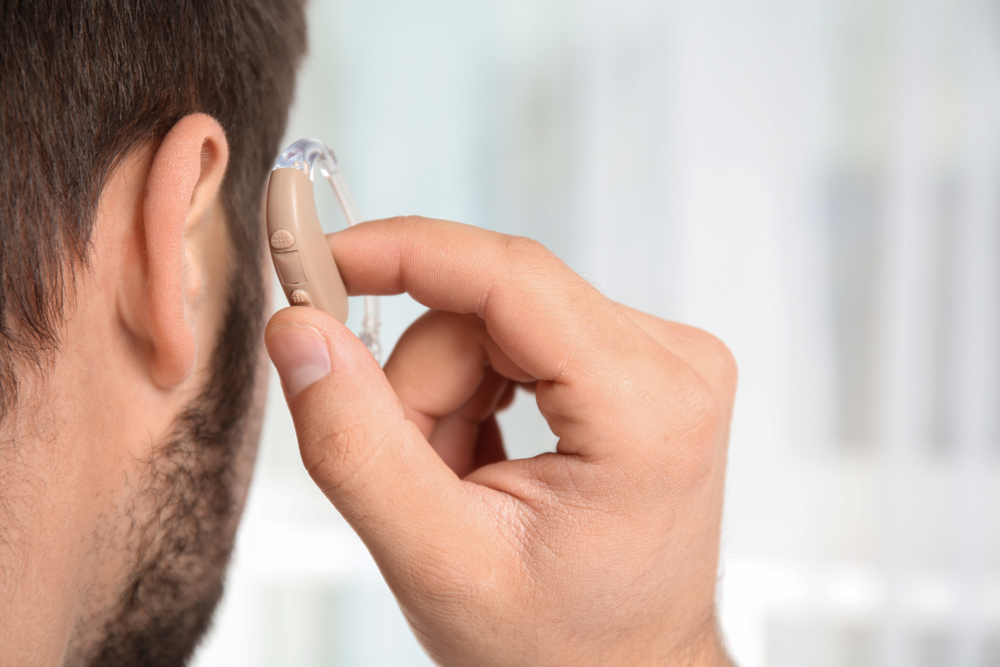
Tinnitus can make quiet moments surprisingly difficult. For people in Vancouver, WA, the ringing, buzzing, humming, or other sounds associated with tinnitus may become especially noticeable at bedtime, while reading at home, or after spending time in noisy environments.
Quick answer: Hearing aids can help some people with tinnitus, particularly when tinnitus occurs alongside hearing loss. By making outside sounds easier to hear, hearing aids may reduce the contrast between tinnitus and the surrounding environment. Some devices also offer sound therapy or tinnitus-management features. Results vary, so a hearing evaluation is an important first step in determining whether hearing aids may be appropriate.
What Vancouver-area patients should know
-
Hearing aids do not cure tinnitus, but they may make tinnitus less noticeable or easier to manage for some people.
-
Tinnitus and hearing difficulties can occur together, which is why a comprehensive hearing evaluation can provide useful information.
-
Residents throughout Clark County may notice tinnitus more in quiet environments because there is less outside sound competing for their attention.
-
Noise exposure from work, hobbies, concerts, power tools, machinery, or other loud environments can affect hearing and may be relevant when discussing tinnitus.
-
New, sudden, one-sided, pulsating, or otherwise concerning tinnitus should be discussed with an appropriate healthcare professional.
Can Hearing Aids Help With Tinnitus?
Hearing aids can help with tinnitus for some patients by improving access to environmental sounds and reducing the contrast between tinnitus and the sounds around them. This approach can be particularly useful when a person also has measurable hearing loss, although individual experiences and results differ.
Imagine sitting in a quiet room in Salmon Creek or Hazel Dell. If your hearing has declined, everyday background sounds such as an air conditioner, traffic, conversation from another room, or birds outside may be less audible. Tinnitus can consequently seem more prominent.
When hearing aids appropriately amplify sounds a person has difficulty hearing, there may be more external sound for the brain to process. For some patients, that makes tinnitus less dominant in their awareness.
Vancouver Hearing Aid Center helps local patients better understand their hearing and available hearing aid options. We can evaluate hearing ability and discuss whether amplification may have a role in an individual’s tinnitus-management plan.
Why Does Tinnitus Matter for Vancouver, WA Patients?
Tinnitus matters for Vancouver, WA patients because persistent internal sounds can interfere with concentration, communication, relaxation, and sleep, especially when hearing loss is also present. The impact can vary significantly from one person to another, making individualized evaluation more useful than assuming one solution fits everyone.
People across Clark County have different hearing environments. Someone working around equipment may have a different history from a retiree living near Cascade Park, a musician performing around the Portland-Vancouver metro area, or someone regularly using power tools at home.
Local lifestyles can also involve concerts, sporting events, yard equipment, recreational activities, construction noise, and workplace sound exposure. A hearing professional can consider this history alongside hearing test results when discussing possible next steps.
What Does a Hearing Evaluation Tell You About Tinnitus?
A hearing evaluation can identify whether hearing loss is present and help determine whether amplification might be useful as part of tinnitus management. It does not automatically identify a single cause of tinnitus, but it provides valuable information about how well you hear different frequencies and speech.
For Vancouver-area residents experiencing tinnitus, an evaluation creates a clearer starting point. Rather than selecting a hearing aid simply because it advertises tinnitus features, patients can first understand whether hearing loss exists and what type of amplification may be appropriate.
We can then discuss hearing aid options based on the individual’s hearing needs, listening environments, preferences, and tinnitus concerns.
What Are the Warning Signs That Tinnitus Should Be Evaluated?
Tinnitus should be evaluated when it is persistent, worsening, interfering with daily activities, or occurring alongside changes in hearing. Certain symptoms may also warrant medical evaluation rather than simply trying hearing aids or sound-management strategies on your own.
Signs worth paying attention to include:
-
Ringing, buzzing, humming, hissing, or similar sounds that persist
-
Difficulty understanding conversations along with tinnitus
-
Frequently increasing television or device volume
-
Trouble following speech in restaurants or group settings
-
Tinnitus that is noticeably different between the two ears
-
A sudden change in hearing or sudden onset of tinnitus
-
Tinnitus that seems synchronized with your heartbeat
-
Tinnitus accompanied by dizziness, pain, drainage, or other concerning symptoms
Sudden hearing changes or other unusual symptoms should not be ignored. A medical professional can determine whether additional assessment is appropriate.
What Common Factors Can Be Associated With Tinnitus?
Tinnitus can be associated with several factors, including hearing loss, noise exposure, ear-related conditions, medications, and other health issues. Because there is no single cause that applies to everyone, identifying relevant hearing and health history is an important part of deciding what to do next.
For residents around Orchards, Fisher’s Landing, Camas, Washougal, and other Clark County communities, past noise exposure can come from many sources. Work environments, recreational equipment, live music, firearms, machinery, and power tools are examples of sound exposure worth mentioning during an evaluation.
Age-related hearing changes can also occur gradually. Someone may become accustomed to missing certain sounds without realizing how much their hearing has changed until communication becomes difficult or tinnitus becomes more noticeable.
Can You Prevent Tinnitus From Getting Worse?
You may be able to reduce avoidable hearing risks by protecting your ears from excessive noise and addressing hearing changes rather than ignoring them. Not every form of tinnitus is preventable, and hearing protection cannot guarantee that tinnitus will improve, but reducing harmful sound exposure is a practical step.
Use appropriate hearing protection around loud tools, equipment, concerts, and other high-volume environments. Avoid turning headphones or earbuds excessively high simply to overcome surrounding noise.
Vancouver residents who already experience tinnitus should also pay attention to changes. If the sound suddenly changes, becomes more intrusive, or occurs with a noticeable decline in hearing, scheduling an appropriate evaluation can provide more useful information than trying to self-diagnose the problem.
What Results Can You Expect From Hearing Aids?
Patients who benefit from hearing aids may notice clearer access to everyday sounds and, in some cases, reduced awareness of tinnitus while wearing their devices. Hearing aids should not be presented as a tinnitus cure, and the degree of relief can differ substantially among individuals.
The primary purpose of hearing aids is to address hearing difficulties. When hearing loss and tinnitus occur together, improved access to environmental sound may provide an additional tinnitus-management benefit.
Some hearing aids also include sound features designed for tinnitus management. Whether those features are useful depends on the individual, which is another reason professional guidance can be valuable.
What Mistakes Should Vancouver Patients Avoid With Tinnitus?
Vancouver patients should avoid assuming every case of tinnitus has the same cause or that buying a hearing device without an evaluation will automatically solve the problem. A more effective approach begins with understanding hearing ability, symptoms, and any reasons medical follow-up may be needed.
Mistake: Assuming hearing aids cure tinnitus.
Consequence: Expectations may not match what amplification can realistically provide.
Better approach: View hearing aids as a possible management tool when appropriate, especially when hearing loss is present.
Mistake: Ignoring sudden hearing changes.
Consequence: A potentially important medical symptom may go unevaluated.
Better approach: Seek appropriate professional care promptly for sudden or concerning changes.
Mistake: Choosing devices based only on tinnitus marketing.
Consequence: The technology may not appropriately address your actual hearing needs.
Better approach: Start with a hearing evaluation and discuss suitable options afterward.
What Is a Common Local Tinnitus Scenario?
A common local scenario is someone noticing tinnitus more strongly in quiet settings while also gradually struggling with conversations in noisier places. This is an illustrative scenario, not a specific Vancouver Hearing Aid Center patient case.
For example, a Clark County resident might hear ringing clearly at home at night but have difficulty understanding friends at a busy restaurant near the Vancouver Waterfront. Those experiences can seem unrelated, yet both are good reasons to have hearing evaluated.
Testing can help establish whether hearing loss is part of the picture and whether hearing aids are worth considering.
What Tinnitus-Related Hearing Solutions Are Available?
Tinnitus-related hearing solutions may include appropriately fitted hearing aids, environmental sound strategies, hearing protection, and referral for medical evaluation when symptoms warrant it. The appropriate approach depends on hearing test results, symptoms, health history, and the situations in which tinnitus causes difficulty.
At Vancouver Hearing Aid Center, we can help determine whether hearing loss is present and discuss hearing aid options that fit your hearing needs.
How Do Hearing Aids Compare With Other Tinnitus Options?
Hearing aids are most relevant when tinnitus occurs alongside hearing loss, while other management approaches may be appropriate when amplification is unnecessary or additional symptoms require medical attention. Tinnitus management should match the individual’s hearing profile rather than relying on one universal solution.
Sound from fans, sound machines, or other background sources may make quiet environments more comfortable for some people. Hearing protection is useful for reducing exposure to excessive noise but should not be treated as a tinnitus treatment. Medical evaluation may be needed when tinnitus has sudden, pulsating, one-sided, or otherwise concerning characteristics.
Where Can Vancouver-Area Patients Seek Hearing Help?
Vancouver-area patients experiencing tinnitus and possible hearing loss can begin by arranging a professional hearing evaluation. We serve people seeking hearing care in Vancouver and the surrounding Clark County area, including communities near Hazel Dell, Salmon Creek, Orchards, and Cascade Park.
Patients from nearby Camas and Washougal may also be looking for answers when tinnitus begins affecting everyday listening.
What Can Happen If You Ignore Tinnitus and Hearing Changes?
Ignoring persistent tinnitus or hearing changes can delay the opportunity to identify hearing loss and understand whether further evaluation is appropriate. The goal is not to create unnecessary alarm, but persistent or changing symptoms deserve attention, particularly when they interfere with communication or daily life.
If you are regularly missing parts of conversations, turning up the television, or noticing changes in your tinnitus, a hearing evaluation can provide useful information about what you are experiencing.
FAQ About Hearing Aids and Tinnitus in Vancouver, WA
Do hearing aids cure tinnitus?
No, hearing aids do not cure tinnitus. They may make tinnitus less noticeable for some people, particularly when hearing loss is also present. Amplifying outside sounds can reduce the contrast between tinnitus and the surrounding sound environment, but individual results vary.
Should I get my hearing tested for tinnitus in Vancouver, WA?
Yes, a hearing evaluation can be a useful step when tinnitus is persistent or occurs alongside suspected hearing loss. Testing can show whether you have hearing difficulties and provide information for discussing whether hearing aids or other next steps may be appropriate.
Can hearing loss make tinnitus seem louder?
Hearing loss can make tinnitus seem more noticeable for some people because fewer external sounds are being heard clearly. In quieter environments around Vancouver and Clark County, that contrast may be especially apparent. Appropriately fitted hearing aids can increase access to surrounding sounds when hearing loss is present.
Are hearing aids useful for tinnitus if I do not have hearing loss?
Hearing aids may be less relevant when there is no hearing loss requiring amplification. Because tinnitus has multiple possible causes and management approaches, a hearing evaluation helps clarify whether amplification makes sense rather than assuming hearing aids are the right solution.
What if tinnitus suddenly starts in one ear?
Sudden or one-sided tinnitus should receive appropriate professional attention, particularly if it occurs with sudden hearing loss or other unusual symptoms. Vancouver-area patients should not rely solely on hearing aids or at-home sound strategies when a sudden change could warrant medical assessment.
Can loud noise around Clark County contribute to tinnitus?
Excessive noise exposure can be associated with hearing damage and tinnitus. Workplace equipment, power tools, concerts, recreational activities, and other loud environments can all be relevant. Using appropriate hearing protection is a practical way to reduce unnecessary noise exposure.
Can hearing aids help me hear better in noisy Vancouver restaurants if I also have tinnitus?
Hearing aids may improve access to speech and other sounds when hearing loss is present, although performance varies by hearing needs and listening environment. If restaurants, family gatherings, or other busy settings have become difficult, testing can determine whether hearing loss may be contributing.
When should I schedule a tinnitus and hearing evaluation?
Schedule an evaluation when tinnitus persists, changes, or occurs alongside difficulty hearing conversations and everyday sounds. For residents in Vancouver, Camas, Washougal, and surrounding Clark County communities, an evaluation can provide a clearer picture of hearing ability and appropriate next steps.
Get Clearer Answers About Tinnitus and Your Hearing
Tinnitus can be frustrating, but guessing whether hearing loss is involved does not provide much clarity. A professional hearing evaluation can help Vancouver-area patients understand their hearing and determine whether hearing aids may be worth considering.
Find Out Whether Better Hearing Could Make Tinnitus Easier to Manage
We can help you understand your hearing needs and explore appropriate hearing aid options without promising a one-size-fits-all result.