

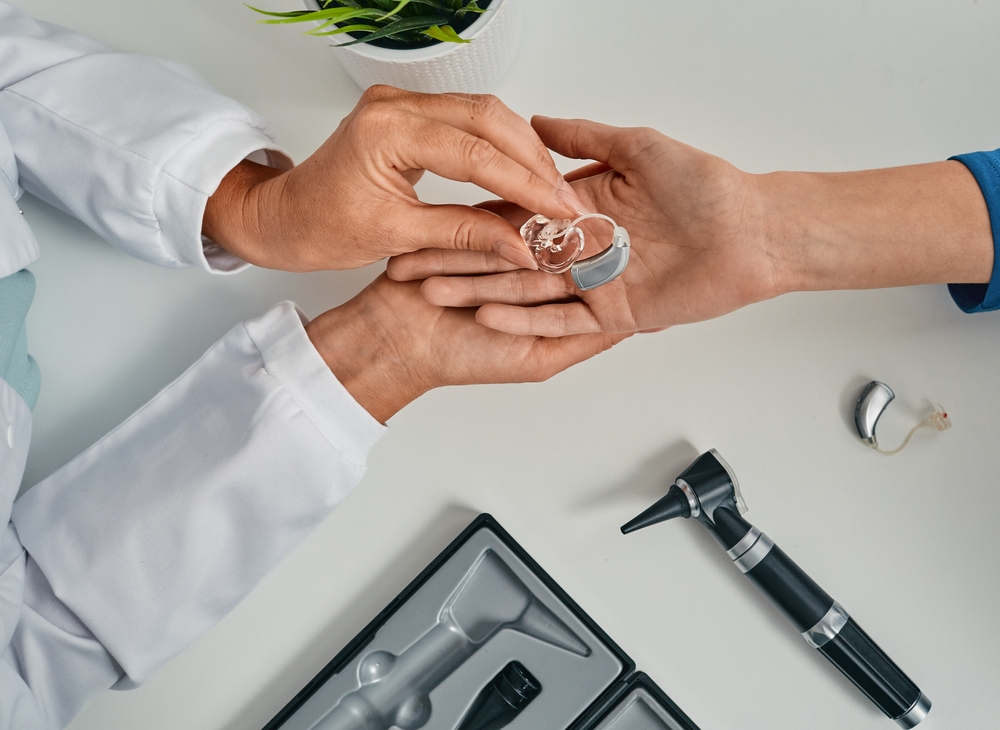
Choosing hearing aids is not simply a matter of finding the smallest device or the model with the longest feature list. For people in Vancouver, daily life can move between quiet conversations at home, busy restaurants, walks along the Columbia River, community events, phone calls, and trips throughout Clark County.
The right hearing aids should match both your hearing needs and the situations you want to hear more comfortably.
Quick answer: The best hearing aids for your lifestyle are devices that fit your level and type of hearing loss, typical listening environments, comfort preferences, dexterity, technology needs, and maintenance habits. Consider where you struggle most, such as group conversations, television, outdoor activities, phone calls, or noisy restaurants. A professional hearing evaluation can help determine which styles and features are appropriate rather than choosing based on appearance or price alone.
What local readers should know
-
Hearing aid style matters, but the way a device is programmed for your hearing needs is equally important.
-
Residents who regularly visit busy places around the Vancouver Waterfront or downtown may benefit from features designed to improve speech understanding in background noise.
-
Rechargeable devices may appeal to people who prefer a simple daily routine, while replaceable batteries can work well for others.
-
Bluetooth connectivity can make phone calls, music, television, and other compatible audio easier to access.
-
Adults with perceived mild to moderate hearing loss may have over-the-counter options, but prescription devices may be more appropriate for greater or more complicated hearing needs.
Why Hearing Aid Choice Matters Locally
Choosing hearing aids around your real routine helps ensure that the technology supports the conversations and activities that matter to you. Someone who spends most of the day in quiet settings may have very different needs from a person attending meetings, eating at busy restaurants, visiting grandchildren, or participating in community activities throughout Clark County.
Vancouver residents may move through several listening environments in a single day. A morning conversation at home can be followed by shopping in Cascade Park, lunch downtown, an outdoor walk near the Columbia River, and an evening gathering with family.
Vancouver Hearing Aid Center can help people consider hearing technology in the context of those everyday situations. From this point forward, our focus is on finding options that fit the individual rather than assuming one type of hearing aid is best for everyone.
Local Data and Practical Considerations
Local demographics show why access to appropriate hearing care is relevant for a substantial part of the community. U.S. Census Bureau QuickFacts estimates that 16.7 percent of Vancouver residents are age 65 or older, while 18.5 percent of Clark County residents fall within that age group.
Age alone does not determine whether someone needs hearing aids, and hearing difficulties can affect adults at many stages of life. Still, age-related hearing changes are one reason many people begin exploring hearing technology.
The National Institute on Deafness and Other Communication Disorders notes that hearing aids come in several styles and that the best choice depends on factors including the type and severity of hearing loss, lifestyle, ease of use, and cost.
How Your Lifestyle Should Guide Your Hearing Aid Choice
Your lifestyle should guide your hearing aid choice by identifying the listening situations you encounter most often and the ones that cause the most difficulty. Rather than starting with a particular model, think through a normal week and identify where better access to speech and environmental sounds would make the greatest difference.
For example:
-
Active social life: Directional microphone and noise-management features may be useful when talking in restaurants, gatherings, or community spaces.
-
Frequent phone use: Bluetooth-compatible devices can provide convenient connectivity with compatible smartphones and other electronics.
-
Outdoor activities: Comfort, secure fit, durability, and ease of handling may deserve extra attention if you enjoy trails, parks, or waterfront activities.
-
Quiet home routine: Straightforward controls and comfortable everyday amplification may take priority over advanced connectivity features.
-
Meetings and group activities: Technology intended to emphasize speech from particular directions may be worth discussing.
A person spending time around Esther Short Park, downtown events, or family gatherings in Salmon Creek may prioritize different capabilities than someone whose biggest challenge is following television or one-on-one conversations at home.
Warning Signs That It May Be Time to Explore Hearing Aids
Common warning signs include frequently asking people to repeat themselves, increasing television volume, or finding conversations harder to follow when several people are talking. These difficulties may appear gradually, which can make them easy to dismiss at first.
Other signs include:
-
Speech frequently sounds muffled.
-
Restaurants and group conversations feel especially difficult.
-
You understand people better when you can see their faces.
-
Phone conversations have become harder to follow.
-
Family members comment on the television or radio volume.
-
You regularly misunderstand words or parts of conversations.
-
You avoid certain gatherings because listening requires too much effort.
A hearing evaluation can help determine whether these difficulties are related to hearing loss and what next steps may be appropriate.
When to Call a Hearing Professional
Consider professional hearing care when hearing difficulty is affecting communication, work, relationships, or your ability to participate comfortably in everyday activities. Professional testing provides information about your hearing that cannot be determined simply by comparing devices online or choosing a hearing aid based on product specifications.
Over-the-counter hearing aids are regulated by the U.S. Food and Drug Administration for adults age 18 and older with perceived mild to moderate hearing loss. Prescription hearing aids are available through hearing health professionals and may be appropriate for people with more significant or complicated needs.
Certain symptoms should not be treated as a routine hearing-aid shopping decision. Sudden hearing loss or other concerning ear symptoms warrant prompt medical attention.
Common Reasons People Need Different Hearing Aid Features
People need different hearing aid features because hearing loss, environments, physical preferences, and communication priorities vary from person to person. Local surroundings do not cause everyone to need the same technology, but your routine around southwest Washington can reveal which features are most useful.
Consider these factors:
-
Background noise: Busy restaurants and gatherings can place greater demands on speech-focused features.
-
Hearing loss pattern: Different frequencies may require different amounts of amplification.
-
Dexterity: Smaller devices and batteries can be more challenging for some users to handle.
-
Connectivity: Smartphone and television streaming may be valuable for people who frequently use compatible electronics.
-
Comfort and fit: A device that feels appropriate for regular wear is often more practical than one chosen mainly for appearance.
-
Maintenance preferences: Rechargeable and replaceable-battery models require different routines.
Hearing Aid Maintenance and Everyday Care
Good hearing aid maintenance means keeping devices clean, dry, properly powered, and routinely checked for anything that interferes with their performance. This is particularly worth remembering in the Pacific Northwest, where damp outdoor conditions make protecting electronic devices from unnecessary moisture a sensible habit.
The National Institute on Deafness and Other Communication Disorders recommends keeping hearing aids away from heat and moisture and cleaning them as instructed. Earwax can also affect hearing aid performance.
At home, follow the manufacturer or hearing professional’s cleaning instructions and store devices appropriately when they are not being worn. Do not insert tools or cleaning objects deep into the ear canal.
What Results Should You Expect From Hearing Aids?
Hearing aids can improve access to speech and everyday sounds, but they do not restore normal hearing or eliminate every difficult listening situation. Successful use usually involves appropriate device selection, careful fitting or programming, regular use, realistic expectations, and adjustments as you become accustomed to hearing more sounds.
New users may notice sounds that have been less apparent for some time, including household noises or environmental sounds. The National Institute on Deafness and Other Communication Disorders notes that adjusting to hearing aids can take time and regular use.
Follow-up adjustments can be particularly valuable when real-world experiences reveal that certain environments remain challenging.
Common Hearing Aid Shopping Mistakes
The most common hearing aid shopping mistakes involve choosing primarily by price, size, appearance, or feature count instead of considering actual hearing and lifestyle needs. A better approach is to compare devices according to the situations in which you need help.
Mistake: Choosing the smallest possible device.
Consequence: The controls, battery, power, or features may not suit your needs.
Better approach: Balance discretion with comfort, handling, and performance.
Mistake: Paying for features you rarely use.
Consequence: A more expensive device may not provide greater practical value.
Better approach: Match technology to your normal routine.
Mistake: Expecting instant perfection.
Consequence: Normal adjustment sounds can be mistaken for device failure.
Better approach: Allow time for adaptation and discuss persistent problems.
A Common Local Hearing Aid Scenario
A common local scenario is someone who hears fairly well at home but struggles as soon as conversations move into busier surroundings. They may communicate comfortably with one person in a quiet room but lose parts of the conversation at a family dinner, restaurant, community gathering, or crowded event.
For someone traveling between Vancouver, Camas, and Washougal for work, errands, and social activities, that difference between quiet and noisy environments can be significant.
Rather than simply choosing stronger amplification, the better question is which technology and programming approach supports speech in the environments where difficulty actually occurs.
Related Hearing Care Solutions
Hearing testing, hearing aid selection, fitting, programming, and follow-up care can work together to create a more personalized hearing solution. The appropriate path depends on what testing shows and what situations the individual wants to improve.
At our office, the goal is to help patients understand their options and consider technology in relation to everyday needs rather than treating hearing aids as a one-size-fits-all purchase.
Comparing Over-the-Counter and Prescription Hearing Aids
Over-the-counter and prescription hearing aids serve different needs, so the better option depends primarily on your hearing level and how much professional customization you require. FDA-regulated OTC hearing aids are intended for adults 18 and older with perceived mild to moderate hearing loss, while prescription devices are obtained through a hearing health professional.
OTC devices may appeal to adults looking for direct access and self-fitting options. Professional care offers hearing testing, individualized recommendations, programming, and follow-up support.
If you are unsure how significant your hearing loss is, testing can provide clearer information before you purchase a device.
Service Areas
Local hearing care can be especially convenient when follow-up visits and adjustments are easy to fit into your routine. We serve people in Vancouver and surrounding Clark County communities, including areas such as Battle Ground, Ridgefield, Camas, Washougal, and Salmon Creek.
Nearby care can make ongoing hearing aid adjustments and maintenance more practical.
The Cost of Waiting to Address Hearing Difficulty
Waiting to address persistent hearing difficulty can mean continuing to struggle with conversations and everyday listening situations that may be easier to manage with appropriate care. The practical cost may show up as repeated misunderstandings, frustration during group conversations, or withdrawing from activities simply because following speech has become difficult.
You do not need to purchase hearing aids simply because you notice a hearing change. A useful first step is finding out what your hearing looks like and understanding which options, if any, fit your needs.
Frequently Asked Questions
What hearing aids are best for active adults in Vancouver?
The best hearing aids for active adults are comfortable, secure, and equipped for the listening environments they encounter most often. If your routine includes restaurants, outdoor activities, meetings, and family gatherings, features such as directional microphones, noise management, rechargeable batteries, and wireless connectivity may be worth considering based on your hearing needs.
Do I need a hearing test before buying hearing aids in Vancouver?
A professional hearing test is not required for FDA-regulated OTC hearing aids intended for adults with perceived mild to moderate hearing loss, but testing can provide valuable information. It identifies the degree and pattern of hearing loss and can help determine whether self-fitting technology or professionally fitted hearing aids may be more appropriate.
Are rechargeable hearing aids good for Clark County residents?
Rechargeable hearing aids can be a convenient choice for people who prefer placing their devices on a charger each night instead of handling small disposable batteries. Whether rechargeable technology is right for you depends on your routine, dexterity, typical daily wear time, charging access, and the specific devices appropriate for your hearing needs.
Which hearing aids work best in noisy restaurants?
Hearing aids with directional microphone and noise-management capabilities may help in challenging restaurant environments, although no hearing aid can remove all background noise. Proper programming and seating strategies can also matter. If restaurants around downtown or the Waterfront are a frequent challenge, mention that specific situation during your hearing consultation.
Are small hearing aids always better?
Small hearing aids are not automatically better because size can affect handling, available features, battery options, power, and suitability for different levels of hearing loss. Completely-in-canal devices may appeal to people seeking discretion, while behind-the-ear or receiver-in-canal designs can provide advantages that make them better suited to another person’s needs.
How long does it take to get used to hearing aids?
Getting used to hearing aids often takes time because your brain is once again receiving sounds that may have been less noticeable for months or years. Regular wear and appropriate adjustments can help. If sounds remain uncomfortable or speech continues to be difficult, follow-up programming may improve the listening experience.
Can hearing aids connect to my phone?
Many modern hearing aids can connect with compatible smartphones, although available functions vary by device and phone model. Depending on the technology, connectivity may support calls, audio streaming, app-based controls, or adjustments. If phone communication is important for work or family life, include compatibility on your list of priorities.
How should I choose a hearing aid provider in Clark County?
Choose a hearing care provider who explains your hearing results clearly, discusses multiple appropriate options, and provides information about fitting, adjustments, maintenance, and follow-up care. Ask what services are included and how future concerns are handled so you understand the complete care experience rather than comparing devices on purchase price alone.
Find Hearing Aids That Fit the Way You Live
The right hearing solution should support the conversations, activities, and people that are important to you without adding unnecessary complexity. Our team can help you understand your hearing needs and explore options suited to everyday life throughout southwest Washington.