

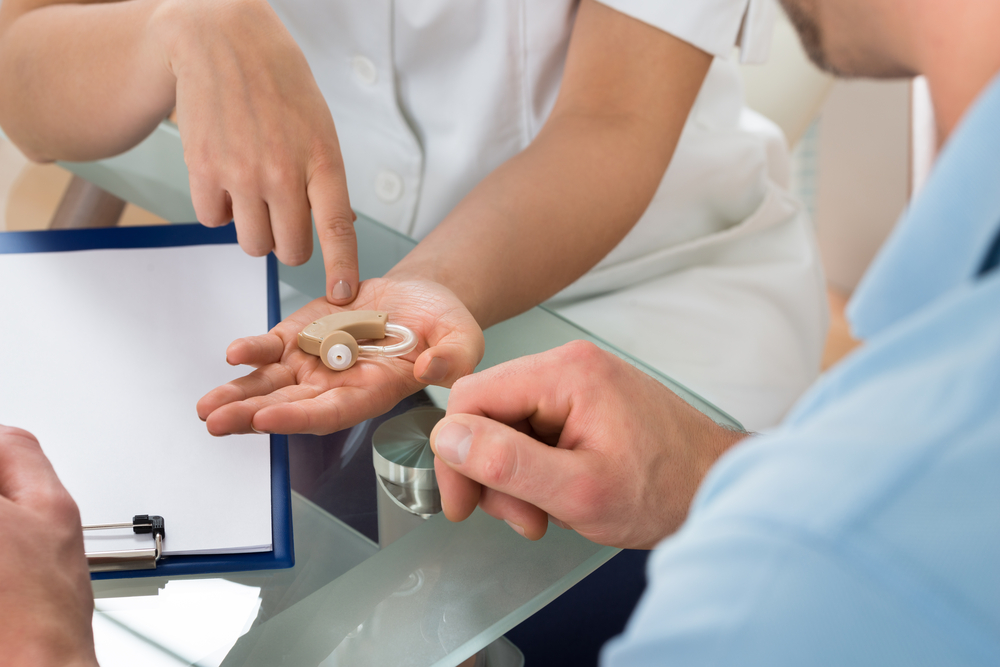
Hearing aids represent a significant investment in your health and quality of life. These sophisticated devices help millions of people stay connected to their loved ones and remain engaged in their communities. However, like any technology, hearing aids require proper care and maintenance to function optimally. By following hearing aid care tips and implementing a consistent cleaning routine, you can extend hearing aid lifespan and avoid costly repairs. Whether you live in Vancouver, WA or anywhere else, understanding how to properly maintain your devices is essential for long-term performance and reliability.
Daily Cleaning and Moisture Management
One of the most critical aspects of hearing aid care tips involves establishing a daily cleaning routine. Your hearing aids are exposed to earwax, moisture, and debris throughout the day, all of which can compromise their function. Each evening, use a soft, dry cloth to gently wipe down the exterior of your devices. This simple step removes surface-level dirt and moisture that accumulates during normal wear.
Moisture is particularly damaging to hearing aids because it can corrode internal components and interfere with the delicate circuitry. To properly clean hearing aids, focus on the areas where earwax tends to accumulate most. Use a small brush or wax loop (which typically comes with your hearing aids) to carefully remove any visible wax from the microphone ports and speakers. Never use water or liquids on your hearing aids unless specifically instructed by your audiologist, as this can cause permanent damage.
Consider investing in a hearing aid dehumidifier or dry box. These devices use gentle heat and absorbent materials to remove moisture overnight while your hearing aids are not in use. This practice significantly helps extend hearing aid lifespan by protecting internal components from corrosion and humidity damage. Many people find that using a dehumidifier nightly prevents the majority of hearing aid problems before they start.
Storage and Environmental Care
Proper storage is fundamental to extend hearing aid lifespan and maintain device integrity. Always store your hearing aids in a cool, dry place when not in use. Avoid leaving them in direct sunlight, hot vehicles, or bathrooms where humidity levels are high. Temperature fluctuations and moisture are among the leading causes of hearing aid damage that can necessitate expensive hearing aid repair services.
Create a designated storage location in your home where you keep your devices consistently. This practice serves two purposes: it protects your hearing aids from environmental hazards and reduces the likelihood of losing them. A small drawer with a clean cloth or dedicated hearing aid case provides adequate protection. If you travel frequently, invest in a durable travel case that protects against moisture and physical damage.
Never expose your hearing aids to extreme heat or cold. Remove them before taking hot showers, swimming, or engaging in water-based activities. While some modern hearing aids are water-resistant, complete submersion can still cause serious damage. Similarly, avoid storing hearing aids near heating vents or air conditioning units where temperature variations are significant. Consistent environmental conditions help preserve the delicate electronic components inside your devices.
Battery Care and Power Management
Battery maintenance is an often overlooked component of hearing aid care tips that directly impacts device longevity. The batteries in your hearing aids should be inserted with the protective tab removed at least one hour before use. This allows zinc-air batteries to activate properly and achieve optimal performance. Always keep spare batteries on hand so you never rush to use old or damaged batteries out of desperation.
Store batteries in a cool, dry place, not in the refrigerator or freezer as many people mistakenly believe. Extreme cold can reduce battery life and performance. Instead, keep batteries at room temperature in their original packaging until ready to use. Replace batteries before they are completely depleted to prevent damaging the battery contacts and circuitry.
If you do not use your hearing aids for extended periods, remove the batteries entirely. Leaving dead batteries in your devices can cause chemical leakage that damages internal components and makes hearing aid repair necessary. When traveling, always carry extra batteries with you rather than packing them in checked luggage, where pressure and temperature changes could affect their performance.
Professional Maintenance and Inspections
Regular professional care is essential to extend hearing aid lifespan beyond what home maintenance alone can achieve. Schedule appointments with your audiologist at least twice annually, or more frequently if you notice any changes in performance. Professional hearing aid repair services can identify and address minor issues before they become major problems requiring replacement.
During professional visits, your audiologist can perform deep cleaning with specialized equipment that removes buildup you cannot access at home. They can also check internal components, replace worn tubing or domes, and recalibrate settings as needed. Many audiologists in Vancouver, WA and surrounding areas offer these maintenance services as part of comprehensive hearing aid care plans.
Ask your audiologist about warranty coverage and protection plans that may be available for your specific device model. Some plans cover accidental damage, loss, and professional repairs at reduced or no cost. These investment protections help ensure that unexpected problems do not derail your hearing aid experience. Understanding what your warranty covers helps you make informed decisions about repairs versus replacement.
Recognizing When Professional Help Is Needed
Understanding when you need professional hearing aid repair versus simple cleaning prevents frustration and costly mistakes. Common signs that professional service is needed include weak or intermittent sound output, feedback or whistling despite proper insertion, battery contacts that appear corroded or damaged, or visible cracks in the device casing.
If your hearing aids are not producing sound at all, first try basic troubleshooting like replacing batteries, checking volume settings, and ensuring the devices are clean. If problems persist after these simple steps, contact your audiologist rather than attempting repairs yourself. Attempting to disassemble or repair hearing aids without proper training can permanently damage delicate components.
Sudden changes in sound quality, such as muffled audio or distortion, warrant professional evaluation. These symptoms might indicate earwax accumulation, moisture damage, or internal component failure. Your audiologist can diagnose the specific issue and recommend appropriate treatment, whether that involves cleaning, repair, or device replacement.
Conclusion
Maintaining your hearing aids through consistent cleaning and proper care ensures years of reliable performance. By implementing these hearing aid care tips, learning how to clean hearing aids properly, and seeking professional maintenance regularly, you can significantly extend hearing aid lifespan. Whether you are in Vancouver, WA or elsewhere, your local audiologist can provide personalized guidance on caring for your specific device model. Investing time and attention in preventive maintenance ultimately saves money and ensures you continue enjoying the benefits of better hearing for years to come.
Need a Hearing Aid Center in Vancouver, WA?
Established in 2005, Vancouver Hearing Aid Center is a full-service hearing aid store located in Vancouver, Washington. At our location, we provide in-store repairs, sales, evaluations, fittings, consultations, and exams. We also providers of LNI, TRU, and Managed Care. Finding the right hearing professional to care for your hearing health is an important step in getting the assistance you need, and we’re excited to be a part of your journey! 40 + yrs in service. Drop by or give us a call today!