

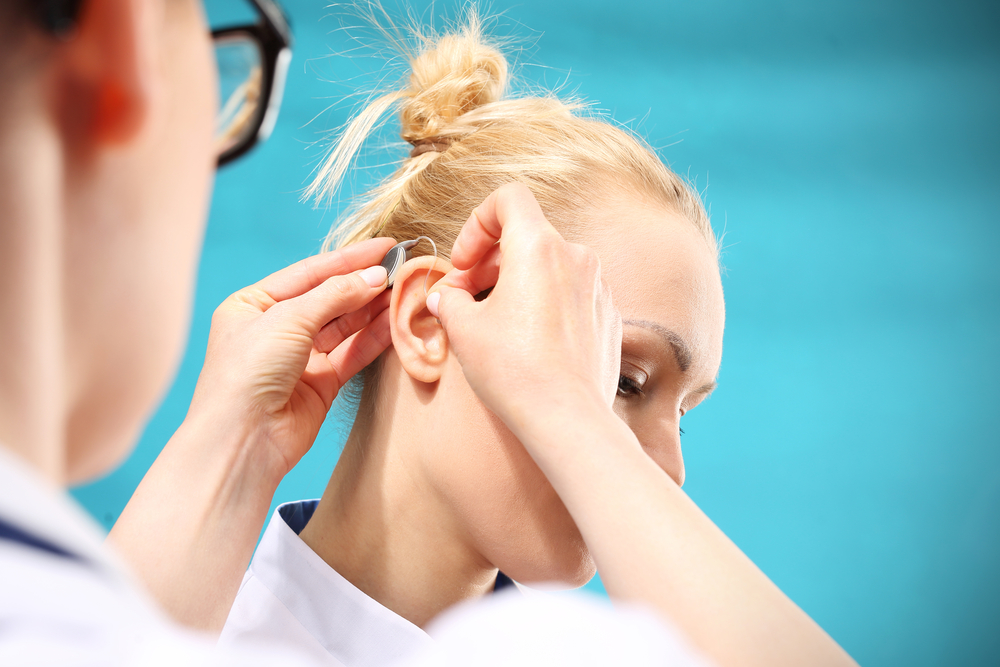
Hearing aids are incredible tools that empower people with hearing loss to engage more fully in conversations, environments, and activities they care about. However, many people overlook a key aspect of maintaining optimal performance from these devices: regular hearing aid adjustments. Like any finely tuned piece of technology, hearing aids require ongoing calibration and refinement to match the user’s evolving hearing needs and environmental factors. This article explores how consistent adjustments can significantly improve hearing aid performance, speech clarity, and overall comfort, particularly for residents of WA where climate and lifestyle can influence hearing experiences.
The Importance of Properly Calibrated Hearing Aids
When hearing aids are first prescribed, they are programmed based on the results of a hearing test, which identifies the user’s unique hearing loss profile. This initial setup is critical, but it is only the beginning of the journey. Hearing loss can be progressive, and the way a person perceives sound may shift gradually over time. Additionally, no two days are alike: different environments, background noise levels, and even physical changes like earwax buildup can affect how well the hearing aid performs.
Without regular hearing aid adjustments, users might find that speech becomes muffled or that background noises become too overwhelming. These subtle degradations can reduce the effectiveness of the devices and lead to discomfort, frustration, or even abandonment of the hearing aid altogether. When properly calibrated through follow-up appointments, however, hearing aids can maintain their ability to enhance speech while minimizing unwanted sounds. This ongoing process ensures the technology evolves in sync with the user’s needs.
Speech Clarity: A Top Priority in Adjustment Appointments
Speech clarity is one of the most essential functions that users expect from their hearing aids. Whether in one-on-one conversations, crowded restaurants, or during phone calls, the ability to distinguish voices from surrounding noise is crucial. This is where hearing aid adjustments play a transformative role.
During adjustment sessions, audiologists use real-ear measurements and user feedback to fine-tune amplification across various frequency bands. For example, if a user reports difficulty hearing high-pitched voices, the professional may boost amplification in that specific range. Moreover, advanced hearing aids come equipped with directional microphones and noise-reduction algorithms. These features can be optimized to prioritize speech from in front of the user while suppressing noise from other directions.
Especially in busy urban centers like those in WA, where public settings can be bustling and noisy, regular tweaks to the device can make the difference between an exhausting listening experience and a confident, comfortable interaction. Each adjustment fine-tunes the balance between clarity and natural sound quality, helping users reconnect more effortlessly with the world around them.
Comfort and Reduced Listening Fatigue
Hearing loss not only affects the ability to perceive sound but can also contribute to cognitive fatigue. When the brain has to work harder to fill in the gaps of missed speech, it becomes tiring over time. This mental strain can lead to frustration, social withdrawal, and diminished quality of life. Fortunately, properly adjusted hearing aids can ease this burden.
Comfort is achieved when the sound delivered by the device feels natural, not too loud or distorted, and aligns with the user’s preferences. Adjustments help eliminate issues such as feedback whistling, overly sharp high frequencies, or inconsistent sound levels. These seemingly minor problems can lead to major discomfort if left unaddressed.
Furthermore, comfort settings can be personalized for different scenarios. Some hearing aids allow users to store multiple profiles for different environments, such as a quiet home, an office meeting, or an outdoor walk. Audiologists in WA often recommend seasonal checkups, since changes in humidity and temperature can also impact device function. Regular adjustments ensure that the hearing aid is not only effective but also enjoyable to wear.
Adapting to Lifestyle Changes and New Technology
Life is dynamic, and so are our auditory needs. Whether someone has taken up a new job, moved to a different environment, or started engaging in new hobbies, these changes can affect the way their hearing aids should perform. For example, a person who begins attending public lectures may suddenly need better clarity at a distance, while someone who joins a cycling group might prioritize wind noise reduction.
This is why periodic hearing aid adjustments are so valuable. They provide an opportunity to align the device’s settings with the user’s current lifestyle. For residents in WA who enjoy the state’s diverse range of activities, from kayaking in the Puget Sound to attending music festivals in Seattle, flexible and personalized hearing aid programming is vital.
Additionally, hearing aid technology is constantly evolving. Software updates, new features, and improved algorithms are regularly released by manufacturers. Visiting an audiologist for adjustments ensures that users are taking full advantage of the latest advancements. This proactive approach keeps devices functioning at their best and integrates cutting-edge solutions into daily use.
Long-Term Benefits of Ongoing Hearing Care in WA
Hearing aid adjustments are not just about short-term fixes. They are a cornerstone of long-term hearing health. In WA, where access to skilled audiologists is readily available, users are encouraged to make regular follow-up visits part of their health routine. These appointments allow professionals to monitor hearing changes, check for any physical damage to the device, and recalibrate the settings to improve hearing aid performance over time.
Consistent care also builds a stronger relationship between the user and their provider. Open communication about hearing experiences helps the audiologist make better-informed changes. It also empowers users to feel more confident in managing their devices and understanding the options available to them.
Over the years, users who maintain a regular schedule of adjustments tend to report higher satisfaction rates, improved speech understanding, and increased social engagement. In contrast, those who neglect this aspect of care often experience decreased effectiveness and may become discouraged from using their devices.
Conclusion
Hearing aids are powerful tools, but like all precision instruments, they require regular attention to deliver their best results. Routine hearing aid adjustments are essential for enhancing speech clarity, ensuring comfort, and adapting to the user’s changing needs and environments. Whether you are navigating the energetic streets of a WA city or enjoying the quiet of the Cascades, the ability to hear clearly and comfortably adds richness to every moment.
Taking the time to schedule and attend adjustment appointments not only improves hearing aid performance but also contributes to a more fulfilling and confident life. For those who rely on these devices, consistent care is not a luxury, it is a necessity. Let your hearing aid evolve with you, and you will continue to hear the world at its best.
Need a Hearing Aid Center in Vancouver, WA?
Established in 2005, Vancouver Hearing Aid Center is a full-service hearing aid store located in Vancouver, Washington. At our location, we provide in-store repairs, sales, evaluations, fittings, consultations, and exams. We also providers of LNI, TRU, and Managed Care. Finding the right hearing professional to care for your hearing health is an important step in getting the assistance you need, and we’re excited to be a part of your journey! 40 + yrs in service. Drop by or give us a call today!