

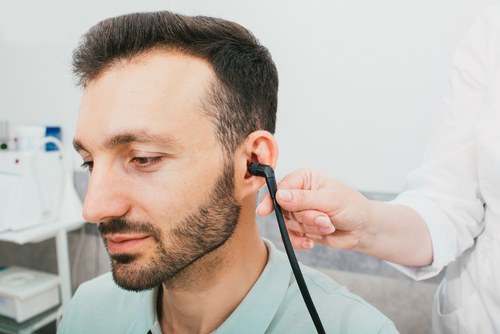
Hearing loss is one of the most common health conditions affecting millions of people worldwide, yet many individuals delay seeking hearing evaluations until they experience significant difficulties. Understanding how often you should get a hearing evaluation is crucial for maintaining optimal ear health and catching potential problems early. Whether you live in Vancouver, WA, or anywhere else, regular hearing checkups should be an important part of your overall health maintenance routine. This comprehensive guide explores the recommended frequency for hearing tests and why they matter for your long-term wellness.
The Importance of Regular Hearing Tests
A hearing evaluation is far more than just a simple test to determine if you can hear sounds. During a comprehensive hearing checkup, audiologists assess your ability to detect various frequencies, understand speech in different environments, and identify any underlying conditions affecting your auditory system. Regular annual hearing tests can detect changes in your hearing sensitivity over time, allowing for early intervention before significant damage occurs.
The American Academy of Audiology recommends that adults get their hearing evaluated at least once every ten years until age 50, and then every three years afterward. However, this baseline recommendation may not apply to everyone. Individuals with certain risk factors, occupational hazards, or existing hearing loss should follow more frequent screening schedules. Getting a baseline hearing evaluation is particularly important because it establishes your normal hearing levels, making it easier to track any changes during future tests.
In Vancouver, WA, and throughout Washington state, many hearing care professionals recommend more frequent evaluations than the general guideline, especially for individuals over 60 or those with risk factors for hearing loss. A hearing checkup can reveal presbycusis (age-related hearing loss), noise-induced hearing damage, or other medical conditions affecting the ear before they become noticeable in daily life.
Recommended Frequency Based on Age and Risk Factors
The ideal frequency for hearing evaluations depends on several individual factors. Adults between 18 and 50 years old with no hearing concerns and no significant risk factors may follow the standard recommendation of testing every ten years. However, once you reach 50 years of age, the American Speech-Language-Hearing Association suggests increasing the frequency to every three years. After age 65, many audiologists recommend annual hearing tests because age-related hearing loss accelerates during this period.
Your personal risk factors should influence your testing schedule more than your age alone. If you work in a loud environment, such as construction, manufacturing, or entertainment venues, you should have your hearing evaluated annually or even more frequently. Exposure to noise levels above 85 decibels can cause permanent hearing damage, and regular monitoring helps catch early signs of noise-induced hearing loss. Additionally, if you have diabetes, cardiovascular disease, or take medications known to affect hearing, more frequent evaluations are advisable.
People living in Washington state who have family histories of hearing loss should consider starting annual hearing tests earlier in life. Genetic factors play a significant role in hearing loss susceptibility, and knowing your family history can help you determine the appropriate testing schedule. In Vancouver, WA, local audiologists can help you assess your individual risk profile and recommend a testing frequency tailored to your specific circumstances.
Signs You May Need a Hearing Evaluation Sooner
Regardless of your age or risk profile, certain warning signs indicate you should schedule a hearing evaluation immediately rather than waiting for your regular appointment. If you experience difficulty understanding conversations, particularly in noisy environments, this is one of the most common early signs of hearing loss. Similarly, if friends or family members frequently mention that you speak too loudly or ask you to repeat yourself often, these are strong indicators that a hearing checkup is needed.
Other warning signs include ringing in your ears (tinnitus), a sensation of fullness in the ear, sudden hearing loss, or dizziness and balance problems. Any of these symptoms warrant immediate professional evaluation. Additionally, if you’ve experienced significant noise exposure from concerts, firearms, or workplace incidents, you should have your hearing tested within a few weeks of the exposure to establish whether damage has occurred.
Sudden hearing loss is a medical emergency and requires evaluation within a few days of onset. If you experience sudden loss of hearing in one or both ears, contact an audiologist or physician immediately. The sooner you seek care, the better the prognosis for treatment outcomes. In Vancouver, WA, and across Washington state, emergency hearing evaluations are available through most audiology clinics and hospitals.
Preparing for Your Hearing Checkup
When you schedule a hearing evaluation, preparing properly can help you get the most accurate results. Avoid exposure to loud noise for at least 16 hours before your appointment, as this can temporarily affect your hearing and skew test results. If you wear hearing aids, bring them with you to your appointment so the audiologist can assess how well they’re functioning.
Write down any concerns or experiences you’ve had with your hearing since your last evaluation. Note situations where you’ve had difficulty hearing, medications you’ve started taking, or changes in your overall health. Bring a list of all current medications because some drugs can affect hearing or balance. Information about your family history of hearing loss is also valuable for your audiologist to have during your evaluation.
Plan to spend about 30 to 60 minutes at your appointment. The hearing checkup process includes reviewing your medical history, performing otoscopic examination (looking inside your ears), conducting pure-tone audiometry (testing your ability to hear different frequencies), and speech discrimination testing. Your audiologist may also recommend additional tests depending on your results and concerns.
What Happens During a Hearing Evaluation
During your annual hearing test or hearing checkup, you’ll sit in a soundproof booth wearing headphones while listening to a series of tones at different pitches and volumes. You’ll indicate when you hear each sound by raising your hand or pressing a button. This pure-tone test measures your hearing threshold at various frequencies and helps identify patterns in hearing loss.
The speech discrimination portion of your hearing evaluation tests your ability to understand words at comfortable listening levels and in noise. You’ll listen to a series of words or sentences and repeat what you hear. This test reveals whether your difficulty is simply in detecting sound or whether you have trouble understanding speech clearly, which is important for determining appropriate treatment options.
Your audiologist will discuss the results with you immediately after testing. They’ll explain your audiogram (a graph showing your hearing sensitivity across different frequencies) and answer questions about your results. If hearing aids or other interventions are recommended, your audiologist will discuss options, costs, and expectations for improvement.
Conclusion
Determining how often you should get a hearing evaluation depends on your age, risk factors, and current hearing status. While general guidelines suggest that adults without hearing concerns have evaluations every ten years until age 50 and then every three years afterward, many individuals benefit from more frequent testing. Annual hearing tests are recommended for those over 60, individuals in noisy occupations, and those with family histories of hearing loss or existing hearing conditions. Whether you’re in Vancouver, WA, or anywhere in Washington state, establishing a regular schedule for hearing checkups is an investment in your long-term health and quality of life. Don’t wait for significant hearing loss to develop before seeking professional evaluation. Schedule your hearing evaluation today and take the first step toward protecting your hearing for years to come.
Need a Hearing Aid Center in Vancouver, WA?
Established in 2005, Vancouver Hearing Aid Center is a full-service hearing aid store located in Vancouver, Washington. At our location, we provide in-store repairs, sales, evaluations, fittings, consultations, and exams. We also providers of LNI, TRU, and Managed Care. Finding the right hearing professional to care for your hearing health is an important step in getting the assistance you need, and we’re excited to be a part of your journey! 40 + yrs in service. Drop by or give us a call today!